
What Makes Commercial Truck Accident Cases Different? Understanding the Complexities of Semi-Truck Injury Claims

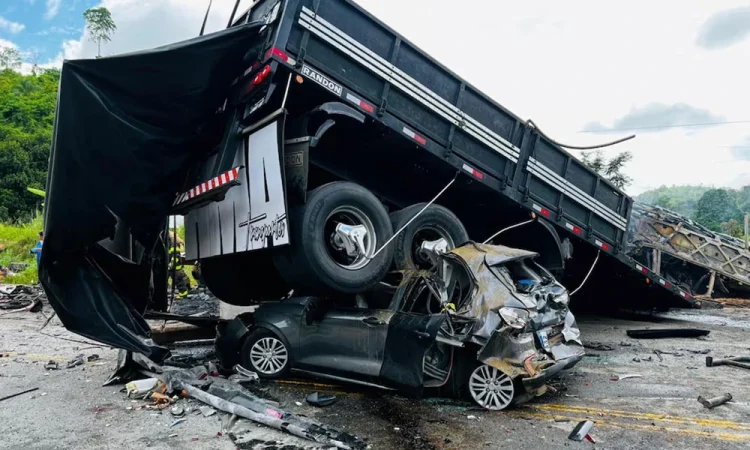
Commercial truck accidents are among the most devastating roadway collisions, often resulting in severe injuries, extensive property damage, and complex legal disputes. Unlike standard car accidents, cases involving large commercial vehicles such as 18-wheelers and semi-trucks involve multiple parties, federal regulations, and highly technical evidence.
If you or a loved one is pursuing a semi-truck accident claim, understanding what makes these cases different is essential. The legal process is far more complex than a typical car crash case, and having an experienced truck accident lawyer attorney can make a significant difference in the outcome.
Introduction: Why Truck Accident Cases Are Legally Unique
Commercial trucking is heavily regulated at both federal and state levels due to the size and risk posed by large vehicles. When an accident occurs, liability is rarely limited to just one driver. Instead, multiple entities may share responsibility, including trucking companies, cargo loaders, maintenance providers, and even vehicle manufacturers.
This layered structure makes an 18-wheeler accident lawsuit far more complicated than standard personal injury claims.
Understanding these differences helps victims recognize why specialized legal representation is often necessary to secure fair compensation.
What Makes Commercial Truck Accident Cases Different?
1. Multiple Liable Parties Involved
Unlike typical car accidents, liability in truck crash cases often extends beyond the driver. Potential responsible parties may include:
- The truck driver
- The trucking company (employer)
- Cargo loading companies
- Vehicle or parts manufacturers
- Maintenance contractors
A skilled trucking accident attorney investigates every potential source of liability to ensure no responsible party is overlooked. This is critical because trucking companies often have powerful legal teams working to minimize their responsibility.
2. Federal and State Regulations Apply
Commercial trucks must comply with strict rules set by the Federal Motor Carrier Safety Administration (FMCSA). These regulations govern:
- Hours of service (driving time limits)
- Driver qualifications and licensing
- Drug and alcohol testing requirements
- Vehicle maintenance and inspections
- Cargo weight restrictions
Violations of these rules often play a major role in a semi-truck accident claim. For example, if a driver exceeded legal driving hours and caused fatigue-related negligence, that violation can significantly strengthen a victim’s case.
3. Severe Injuries and Higher Compensation Values
Due to the massive size and weight difference between trucks and passenger vehicles, accidents often result in catastrophic injuries, such as:
- Traumatic brain injuries (TBI)
- Spinal cord injuries and paralysis
- Internal organ damage
- Multiple fractures
- Wrongful death
Because of the severity of damages, an 18-wheeler accident lawsuit typically involves much higher compensation demands than standard auto accident claims. This includes medical expenses, lost income, future rehabilitation costs, and pain and suffering.
4. Complex Evidence and Investigation Requirements
Truck accident cases require far more technical evidence than ordinary collision claims. Critical evidence may include:
- Electronic Logging Device (ELD) data
- Black box (Event Data Recorder) information
- Driver logbooks
- Maintenance and inspection records
- GPS tracking data
- Dashcam or surveillance footage
A knowledgeable truck accident lawyer will act quickly to preserve this evidence before it is lost or altered. Trucking companies often deploy rapid-response teams to protect their interests immediately after a crash.
5. Aggressive Insurance Company Tactics
Insurance companies representing trucking corporations are typically well-funded and highly experienced in defending claims. Their goal is often to:
- Minimize liability
- Shift blame to the victim
- Reduce settlement amounts
- Delay proceedings
Without legal representation, victims may feel pressured into accepting low settlement offers that do not reflect the true value of their semi-truck accident claim.
Legal Implications of Commercial Truck Accidents
Truck accident litigation involves several legal theories, including:
Negligence
Most cases are based on proving that a party failed to exercise reasonable care. Examples include speeding, distracted driving, or fatigue.
Vicarious Liability
Employers (trucking companies) may be held responsible for their drivers’ actions during work-related activities.
Negligent Hiring or Training
If a company hires an unqualified driver or fails to properly train employees, it may be held liable.
Product Liability
If a mechanical failure contributed to the crash, manufacturers or maintenance providers may share responsibility.
These legal frameworks make 18-wheeler accident lawsuits highly technical and evidence-driven.
Rights of Victims in Truck Accident Cases
Victims of commercial truck accidents have important legal rights, including the right to:
- Seek compensation for medical expenses
- Recover lost wages and reduced earning capacity
- Claim damages for pain and emotional suffering
- Pursue wrongful death compensation for surviving family members
- Hold all negligent parties accountable
Understanding these rights is essential when dealing with large trucking companies and their insurers.
Available Compensation in Truck Accident Claims
Compensation in a semi-truck accident claim may include both economic and non-economic damages:
Economic Damages:
- Hospital and medical bills
- Ongoing rehabilitation and therapy
- Lost wages and future earnings
- Property damage
Non-Economic Damages:
- Pain and suffering
- Emotional distress
- Loss of quality of life
- Loss of companionship (in wrongful death cases)
In certain cases involving gross negligence, punitive damages may also be awarded to punish wrongful conduct.
How a Truck Accident Lawyer Can Help
Hiring an experienced truck accident lawyer is one of the most important steps a victim can take. These cases require deep legal knowledge, investigative resources, and negotiation skills.
A qualified attorney can:
- Conduct a thorough accident investigation
- Preserve critical electronic and physical evidence
- Identify all liable parties
- Work with accident reconstruction experts
- Negotiate aggressively with insurance companies
- Represent clients in court if necessary
A dedicated trucking accident attorney understands the tactics used by large trucking corporations and ensures victims are not taken advantage of during the legal process.
Conclusion: Protecting Your Rights After a Truck Accident
Commercial truck accidents are far more complex than standard vehicle collisions due to multiple liable parties, federal regulations, and the severity of injuries involved. Pursuing an 18-wheeler accident lawsuit requires detailed investigation, strong evidence, and experienced legal advocacy.
If you or a loved one has been injured in a trucking collision, do not navigate the process alone. An experienced truck accident lawyer can help you understand your rights, build a strong case, and pursue the full compensation you deserve.

